
Magnetic Materials and Assemblies: Unlocking the Power of Magnetism in Modern Technology
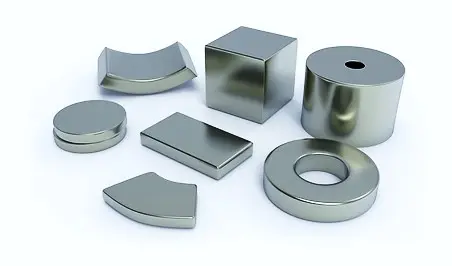
Magnetism has been an essential force in science and engineering for centuries. From the discovery of magnets in ancient civilizations to the complex applications in today’s high-tech world, magnetic materials have evolved into a fundamental building block of modern technology. Magnetic materials and assemblies are at the core of countless innovations across various industries, enabling devices and systems to operate efficiently and reliably. In this article, we will explore the types of magnetic materials, their properties, applications, and how magnetic assemblies are revolutionizing industries from data storage to transportation.
1. What Are Magnetic Materials?
Magnetic materials are substances that produce a magnetic field or respond to an external magnetic field. At the atomic level, these materials possess magnetic moments that arise from the spin and orbital motion of electrons. Depending on how these magnetic moments interact with each other, the material can exhibit different types of magnetic behaviors.
Magnetic materials are generally classified into the following categories:
-
Ferromagnetic Materials: These materials, such as iron, cobalt, and nickel, have strong magnetic properties. In ferromagnetic materials, the magnetic moments of individual atoms align in the same direction, creating a strong and permanent magnetization. This alignment allows ferromagnetic materials to be used as permanent magnets in applications like electric motors, speakers, and magnetic storage devices.
-
Paramagnetic Materials: Paramagnetic materials are weakly attracted by magnetic fields, but their magnetization disappears when the external field is removed. Examples of paramagnetic materials include aluminum and platinum. They are typically used in applications that require a temporary magnetic response, such as in certain types of magnetic sensors.
-
Diamagnetic Materials: Diamagnetic materials create a weak, opposing magnetic field when exposed to an external magnetic field, resulting in a weak repulsion. Materials such as copper, silver, and graphite exhibit diamagnetism. These materials are often used in applications like magnetic shielding and levitation systems, where minimal magnetic interaction is desired.
-
Ferrimagnetic Materials: These materials, like ferrites, exhibit magnetic properties similar to ferromagnetic materials but with some magnetic moments opposing each other. Despite this opposition, ferrimagnetic materials still have a net magnetization. Ferrites are commonly used in electronic devices, including inductors and transformers, due to their high magnetic permeability and low eddy current loss.
-
Antiferromagnetic Materials: In antiferromagnetic materials, the magnetic moments of adjacent atoms align in opposite directions, canceling each other out. These materials have no net magnetization but are important in specialized electronic and spintronic applications, where precise control over magnetic interactions is required.
2. Key Properties of Magnetic Materials
The effectiveness of magnetic materials is determined by several critical properties that influence how they interact with magnetic fields. These properties are vital in determining the suitability of a material for different applications:
-
Magnetic Permeability: Magnetic permeability measures how easily a material can support the formation of a magnetic field within itself. Materials with high permeability, such as iron, are efficient at channeling magnetic flux. This property is essential in designing transformers, motors, and inductors.
-
Coercivity: Coercivity refers to a material's resistance to becoming demagnetized. Materials with high coercivity, such as those used for permanent magnets, retain their magnetization even when exposed to opposing magnetic fields. This property is important for devices like magnetic storage systems and electric motors, which require consistent and stable magnetic fields.
-
Saturation Magnetization: Saturation magnetization is the maximum magnetization a material can achieve under an external magnetic field. When the material reaches saturation, increasing the magnetic field further will not increase its magnetization. This property is critical in designing magnets and magnetic assemblies that need to operate at optimal efficiency.
-
Curie Temperature: The Curie temperature is the temperature above which a ferromagnetic material loses its magnetic properties and becomes paramagnetic. This temperature is crucial in applications where materials are exposed to high temperatures, such as in industrial machinery and power generation systems.
-
Remanence: Remanence refers to the magnetization left in a material after an external magnetic field is removed. Permanent magnets, such as those found in hard drives or electric motors, rely on high remanence to retain their magnetic strength for extended periods without the need for a constant external magnetic field.
3. Magnetic Assemblies: Combining Materials for Enhanced Performance
Magnetic assemblies are systems in which different magnetic components work together to achieve a specific function, such as generating a magnetic field, transferring energy, or providing electromagnetic shielding. These assemblies maximize the capabilities of individual materials by combining them in a way that optimizes performance for specific applications. Some notable magnetic assemblies include:
-
Permanent Magnets: Permanent magnets are magnetic materials that retain their magnetization indefinitely. These magnets are made from ferromagnetic materials with high coercivity, such as neodymium, samarium-cobalt, and alnico. Permanent magnets are used in various devices, including electric motors, sensors, and loudspeakers, to create stable and continuous magnetic fields without requiring external power sources.
-
Electromagnets: Electromagnets are created by passing an electric current through a wire wound around a magnetic core. The resulting magnetic field can be turned on and off by controlling the current, making electromagnets highly versatile. They are used in applications like solenoids, electric motors, magnetic cranes, and relays, where a variable and controllable magnetic field is needed.
-
Magnetic Sensors: Magnetic sensors detect the presence, strength, and direction of magnetic fields. These sensors are crucial in various applications, including automotive systems (e.g., wheel speed sensors), consumer electronics (e.g., smartphone compasses), and industrial automation (e.g., position sensors for machinery). The Hall effect and magnetoresistive sensors are commonly used types of magnetic sensors in these applications.
-
Transformers and Inductors: Magnetic assemblies are integral to transformers and inductors, which use magnetic fields to transfer or store energy. Transformers are used to step up or step down voltage levels in electrical systems, while inductors store energy in a magnetic field for later release. Both rely on magnetic materials to efficiently transfer and store electrical energy.
-
Magnetic Shields: Magnetic shielding materials, often made from high-permeability alloys like mu-metal, are used to block or redirect magnetic fields. These materials protect sensitive electronic equipment, such as hard drives and MRI machines, from interference caused by external magnetic fields. Magnetic shielding is essential in many precision applications to prevent data loss and distortion.
4. Applications of Magnetic Materials and Assemblies
Magnetic materials and assemblies are found in a wide range of applications, where they contribute to the efficiency, performance, and functionality of various devices and systems. Some of the most significant areas of application include:
-
Data Storage: Magnetic materials are essential in the operation of hard disk drives (HDDs), magnetic tapes, and other storage devices. In HDDs, magnetic disks are used to store data in the form of binary code, with each bit of information represented by a magnetic state (either "up" or "down"). The continued development of magnetic materials for data storage is leading to higher storage capacities and faster data retrieval speeds.
-
Medical Imaging: Magnetic materials play a crucial role in medical imaging technologies like magnetic resonance imaging (MRI). MRI machines use powerful superconducting magnets to create detailed images of internal body structures. The ability to produce high-resolution images without using ionizing radiation makes MRI a vital tool for diagnosing a wide range of medical conditions.
-
Energy and Power Generation: Magnetic materials are fundamental in electrical motors, generators, and transformers. In motors, the interaction between magnetic fields and electric currents generates mechanical motion, which is then used in various applications, from household appliances to industrial machines. In generators, mechanical motion is converted into electrical energy, while transformers help regulate voltage in power transmission and distribution.
-
Transportation: Magnetic materials are central to the development of high-speed transportation systems, such as magnetic levitation (maglev) trains. By using powerful magnets to lift and propel trains, maglev technology eliminates friction and allows for faster, more efficient travel. In addition, magnetic materials are used in electric vehicles, where they are essential for the motors that power these energy-efficient modes of transportation.
-
Consumer Electronics: Magnetic materials are used in many consumer electronics, such as smartphones, speakers, headphones, and home appliances. Electric motors in these devices rely on magnetic materials to operate efficiently. Additionally, magnetic sensors help with tasks like screen rotation, touch detection, and motion sensing.
5. The Future of permanent magnet supplier
As technology continues to advance, so too does the role of magnetic materials and assemblies in driving innovation. Some key future trends in magnetic materials include:
-
Nanomagnetic Materials: The use of magnetic materials at the nanoscale is opening new possibilities for smaller, faster, and more efficient devices. Nanomagnetic materials are being explored for next-generation data storage, advanced sensors, and quantum technologies, providing a pathway for miniaturized components with enhanced performance.
-
Superconducting Magnets: Superconducting magnets, which can carry electrical current without any loss of energy, are becoming increasingly important in applications such as high-efficiency power transmission, energy storage, and particle accelerators. Research into high-temperature superconducting materials may make these magnets more affordable and practical for broader use.
-
Magnetic Energy Storage: Magnetic materials are being explored for use in energy storage systems, such as flywheels and magnetic batteries. These systems have the potential to provide a more efficient and sustainable way to store and release energy, particularly in renewable energy applications.
-
Quantum Computing and Spintronics: Magnetic materials are crucial for emerging quantum computing and spintronic technologies, which leverage the quantum properties of electrons and their magnetic moments. Magnetic materials are being used to develop new types of quantum bits (qubits) and to create ultra-sensitive magnetic sensors for quantum computing applications.
Conclusion
Magnetic materials and assemblies are fundamental components of modern technology, enabling a wide range of applications that impact industries from healthcare to energy to transportation. Their diverse properties make them indispensable in everything from consumer electronics to medical imaging to high-speed trains. As research continues to explore new magnetic materials and advanced applications, we can expect to see even more transformative innovations that will drive the future of technology. Magnetism, once a simple curiosity, is now a powerful force that shapes our world in countless ways.
